On this page
Who Owns the Photos? The Short Answer
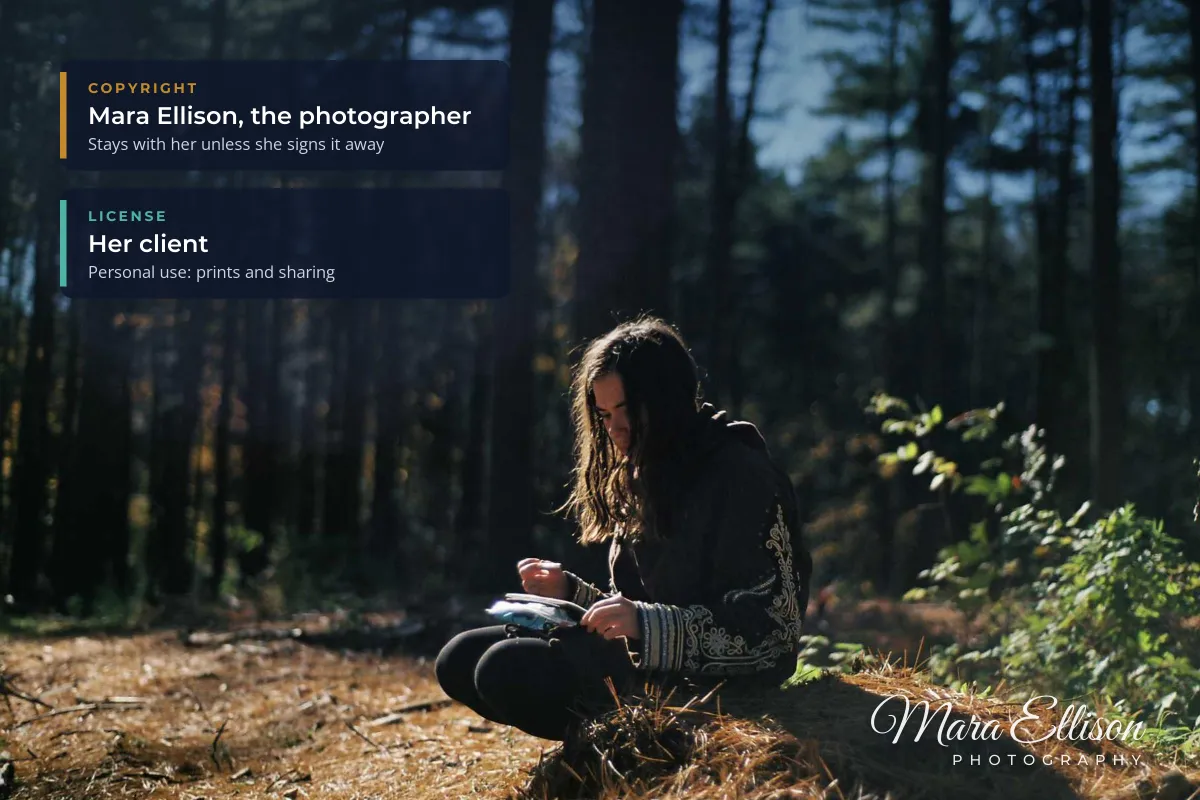
So who owns the photos, the photographer or the client? In the US, the UK and most of the EU, the photographer owns the copyright by default, even when the client planned the shoot, paid for it and appears in every frame. The client usually receives a license: permission to use the photos in agreed ways.
- Default: the person who took the photo owns the copyright.
- Employees: photos taken as part of a job usually belong to the employer, in the US and the UK.
- Freelancers: the client owns the copyright only if the photographer signs a written transfer, or, in the US, in a narrow set of work-for-hire cases.
- What clients get: a license, which can be personal, commercial, exclusive or close to a full buyout, depending on the contract.
The Default: The Photographer Owns the Copyright
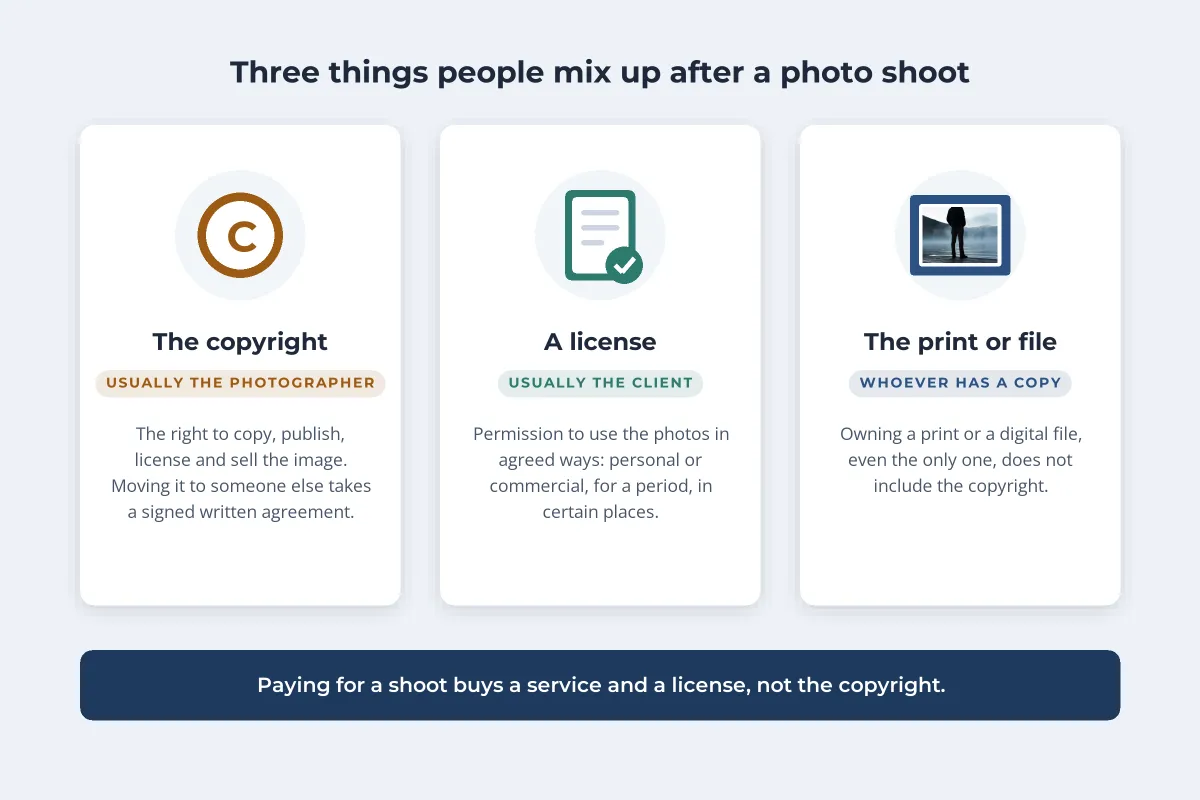
Copyright belongs to the author of a work, and the author of a photo is the person who took it. US law says copyright "vests initially in the author" (17 U.S.C. § 201). UK law says the author is the first owner (Copyright, Designs and Patents Act 1988, section 11). EU countries follow the same starting point.
Paying for the session does not change this. What the client buys is the photographer’s time and skill, the edited files or prints, and whatever usage the contract allows. Nor does owning the files. US law treats the copyright and the physical or digital copy as separate (17 U.S.C. § 202), so a client with every original file on a hard drive still cannot license those photos to a magazine.
Being in the photo does not give ownership either. A person who appears in a photo can have privacy or publicity rights, which limit how it may be used, but not the copyright.
Employees and Work for Hire in the US
US law moves ownership away from the photographer in two situations, both called a "work made for hire" (17 U.S.C. § 101). When it applies, the employer or commissioning party is treated as the author from the moment the photo is taken.
- Employees. A photo taken by an employee within the scope of their job belongs to the employer. A staff photographer at a newspaper or a marketing team member shooting product photos are typical cases. Whether someone counts as an employee depends on the real relationship, such as who controls the work, supplies the equipment and pays benefits, not on what the contract calls them.
- Certain commissioned works. A freelancer’s photo can be a work made for hire only if it falls into one of nine listed categories, such as a contribution to a collective work like a magazine, part of a film or audiovisual work, or a supplementary work in a book, and both sides sign a written agreement saying so.
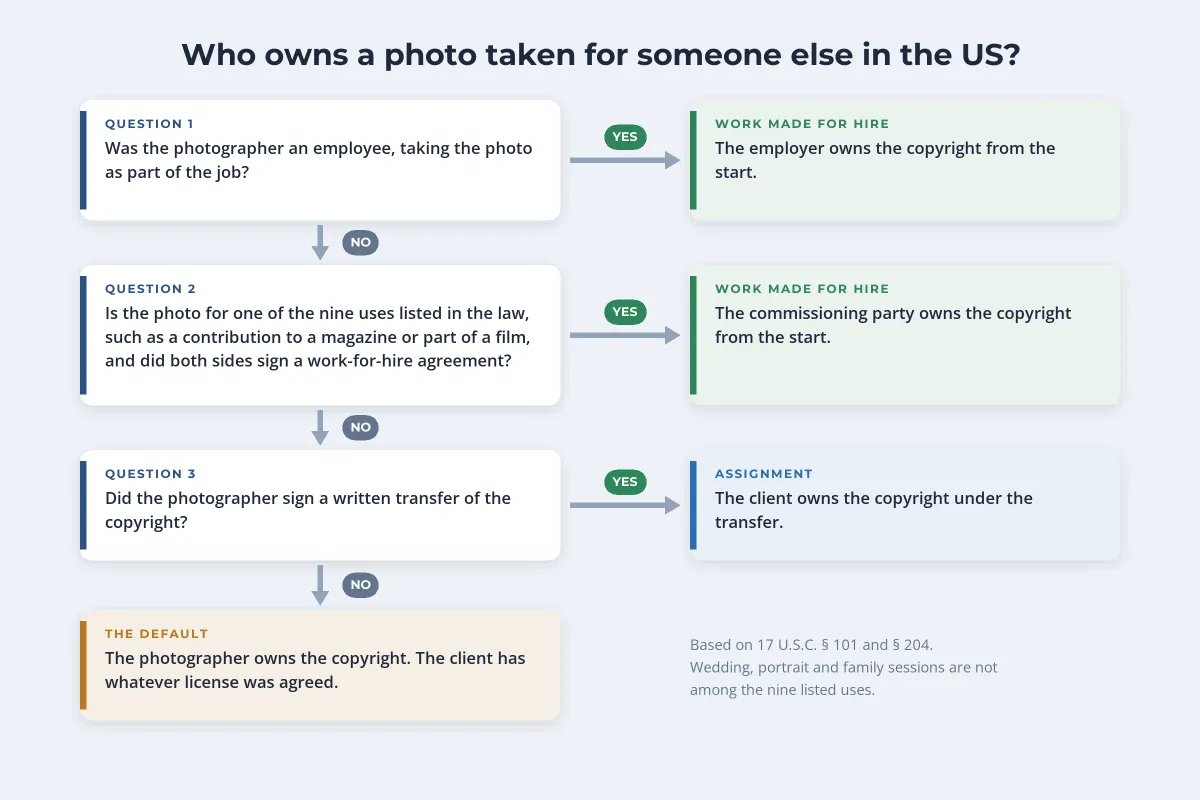
Wedding, portrait, family and most business sessions are not among the nine categories. Writing "work for hire" into such a contract does not make it one. What does move ownership to the client is an assignment: a written transfer signed by the photographer (17 U.S.C. § 204). A license that is not exclusive, by contrast, needs no writing at all, and courts can find one implied from the deal itself.
What Clients Get: A License to Use the Photos
Since the photographer keeps the copyright, the contract decides what the client can do with the photos. Licenses usually fall into a few familiar types:
| License | Typical client | What it usually allows |
|---|---|---|
| Personal use | Weddings, families, portraits | Printing and sharing for personal, non-commercial purposes |
| Commercial use | Businesses, brands, headshots | Marketing in agreed media, for an agreed time and region |
| Exclusive license | Brands and publishers | The photographer may not license the same photos to anyone else |
| Buyout or assignment | Clients who need full control | The copyright itself moves to the client, usually at a much higher fee |
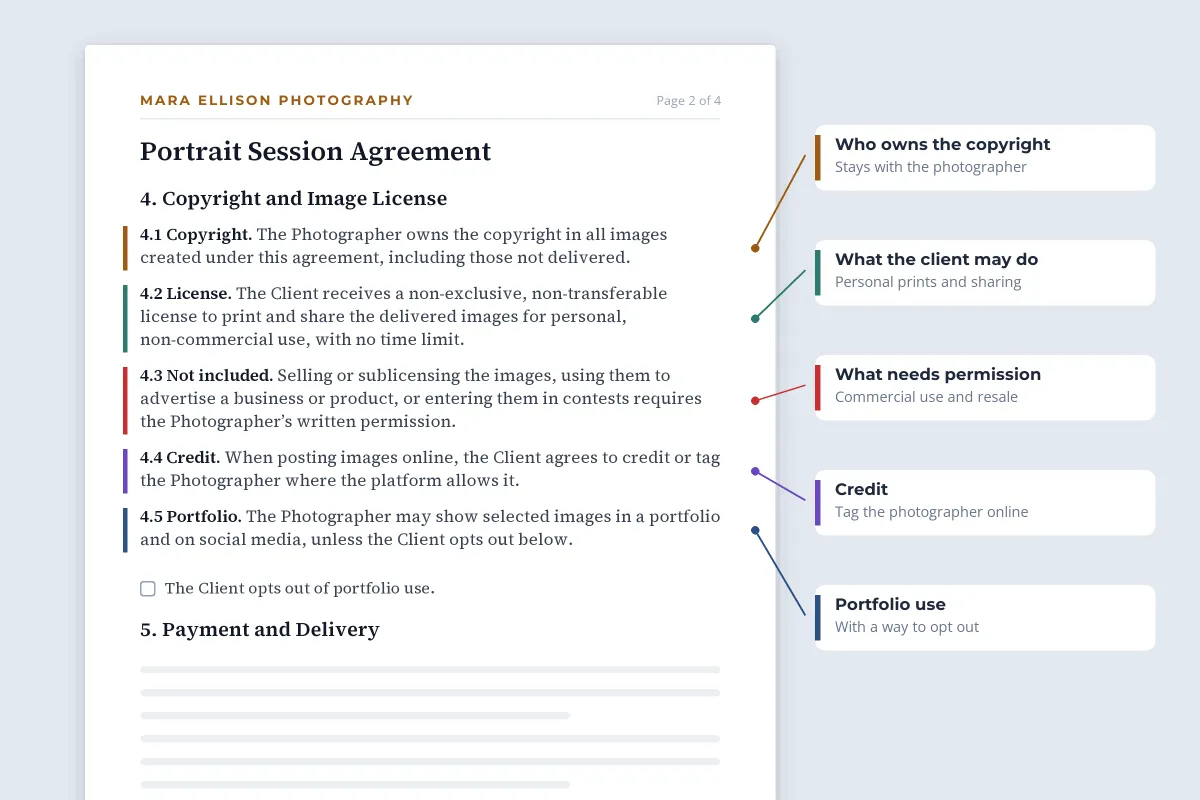
A license can also set how long it lasts, where it applies and whether the client may edit the photos. For more on pricing and scope, see how to license your photos, and for setting the fee itself, how much to charge for photo licensing.
How the UK and EU Differ
The headline rule is the same across the Atlantic: the photographer owns the copyright unless something moves it. The details differ in ways that matter.
- United Kingdom. An employer owns photos an employee takes in the course of employment, unless they agree otherwise. Commissioned photos belong to the photographer, and an assignment only works if it is in writing and signed by the photographer (CDPA section 90). There is one historical twist: for photos commissioned before 1 August 1989, the person who commissioned them owned the copyright.
- A UK privacy right for clients. Someone who commissions a photo for private and domestic purposes, such as a wedding or a family portrait, has the right to stop copies being issued, exhibited or shown to the public (CDPA section 85), even though they do not own the copyright. A photographer who wants to use those photos in a portfolio or an advert should get the client’s agreement in the contract.
- Germany. Copyright cannot be transferred at all during the author’s lifetime (UrhG section 29). Clients, employers included, receive rights of use, which can be broad and exclusive.
- France. An employment contract does not by itself give the employer the copyright (Code de la propriété intellectuelle, article L111-1). Rights move only through a written transfer that spells out each use, with some exceptions.
- Moral rights. Across the EU and in the UK, photographers also have moral rights, such as the right to be named and to object to distorting treatment. In most EU countries these cannot be signed away; in the UK they can be waived.
Other countries have their own rules on employees and commissions. For an overview, see copyright laws by country.
Can the Photographer Use the Client’s Photos?
Owning the copyright lets a photographer show the work, but other rights can still get in the way:
- Portfolio and social media. Usually fine in the US with the copyright, but most photographers still put a portfolio clause in the contract, with an opt-out for clients who want privacy. In the UK, the section 85 right above makes that clause important for private commissions.
- Advertising. Using a recognizable person to promote the photography business can need their consent under publicity or privacy laws. A signed model release covers it.
- Exclusive licenses. If the client paid for exclusivity, the photographer may not be able to license the photos to anyone else, and sometimes may not show them either. Royalty-free vs rights-managed explains how exclusivity is usually granted and priced.
- Personal data in the EU and UK. A photo of an identifiable person is personal data under the GDPR, so photographers there need a lawful basis, such as the contract, consent or a legitimate interest, for keeping and publishing it.
Put Ownership in the Contract
Nearly every ownership dispute starts with a contract that said nothing. A few lines settle it for both sides:
- State who owns the copyright.
- Describe the license: personal or commercial, media, duration, territory.
- Say whether the license is exclusive and whether the client may edit.
- Cover portfolio and social media use, with an opt-out.
- Price extra uses up front, such as advertising or a buyout.
- Assume the client knows they do not own the copyright.
- Call a wedding or portrait shoot "work for hire".
- Rely on an email thread for a transfer of copyright.
- Grant "all rights" when the client only needs a few uses.
- Hand over unwatermarked previews before payment.
Registering your best work strengthens your position if a client or anyone else uses it beyond the license. See should you register your photo copyright.
Where Watermarks Fit In
Watermarks help the license work in practice. Many photographers send each set of photos in a different form:
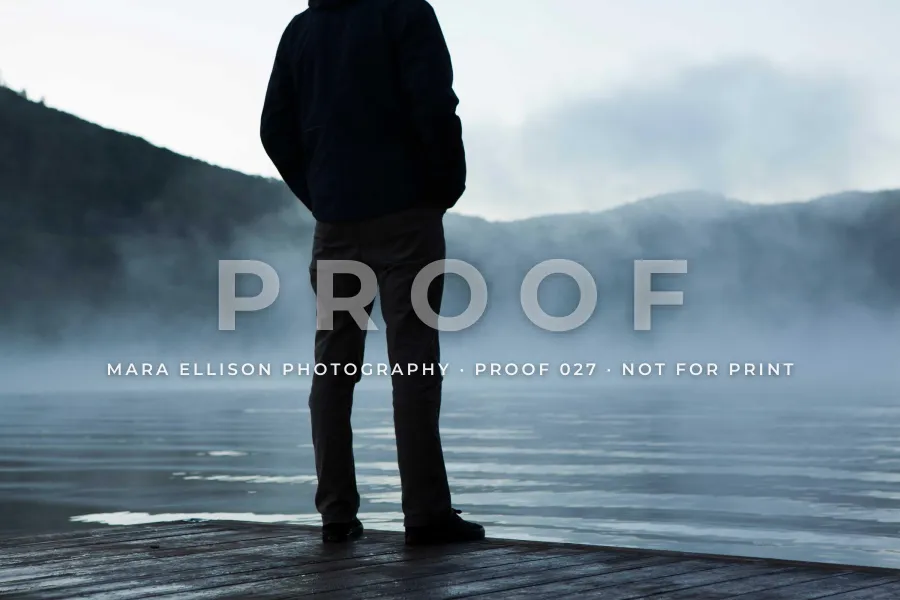
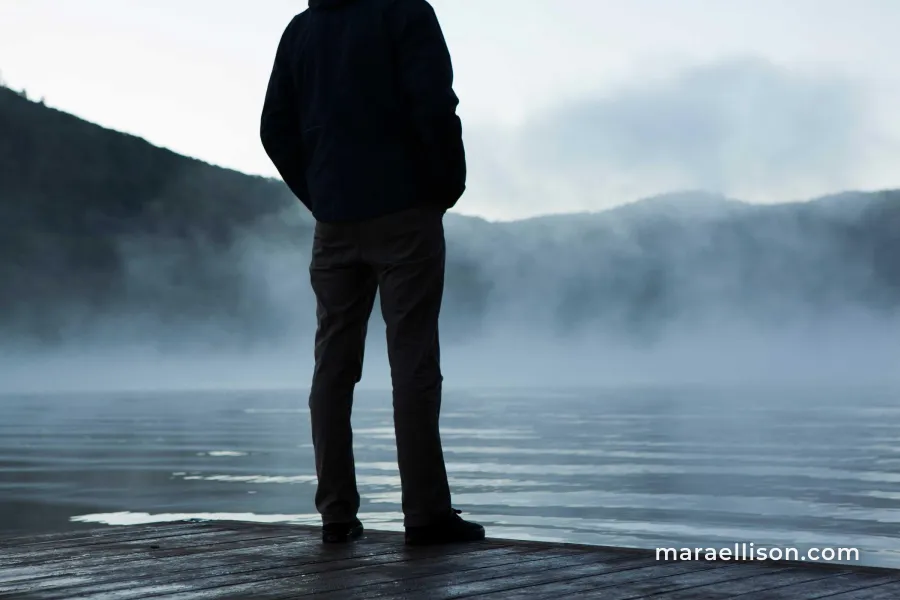
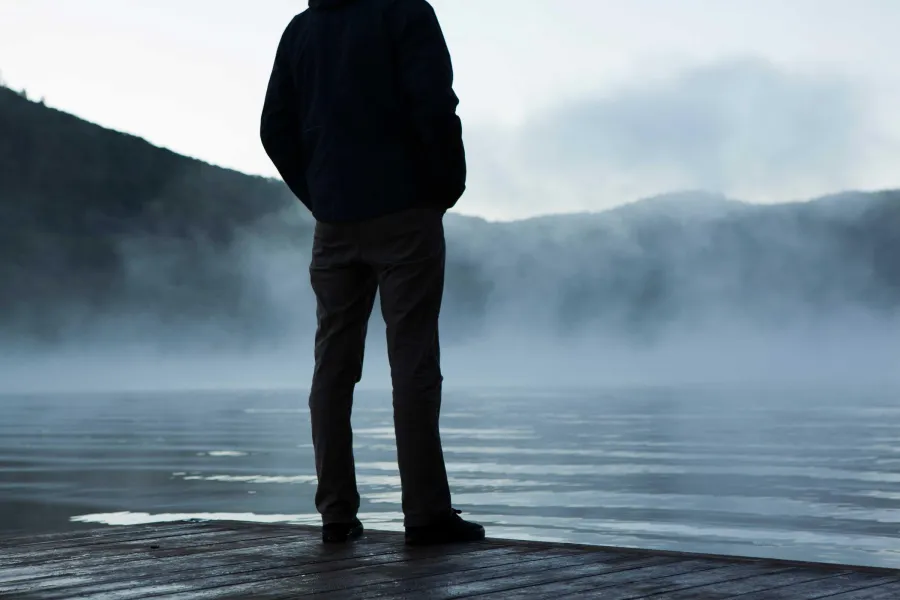
A visible proof mark keeps the gallery from becoming the final product before the invoice is paid. Watermarking client proofs covers the details, and wedding photographers will find a full workflow in watermarks for wedding photographers. Watermark.ws can apply a PROOF template to a whole gallery in one batch, and a separate credit template to the copies you post yourself.
Sample photos: Woman in a pine forest by Doug Robichaud, Man on a misty dock by Todd Quackenbush on Unsplash.