On this page
You License Permission, Not the Photo
As the photographer, you own the copyright in your photos from the moment you take them. A license is you granting someone else permission to use a photo in specific ways, while you keep the copyright. That is different from selling the copyright itself, which is usually called an assignment or a buyout and means you give up ownership.
Almost every professional licensing deal is the first kind. You keep the photo, the client gets exactly the use they need, and you can license the same image again — to them or to someone else — unless you have agreed otherwise.
- Decide the model: royalty-free for broad, simple use; rights-managed for specific, priced use.
- Decide exclusivity: most licenses are non-exclusive. Exclusive rights should cost more and be in writing.
- Spell out the terms: usage, size, term, territory, exclusivity and credit.
- Protect the preview: send watermarked, low-resolution files until the license is paid.
Royalty-Free or Rights-Managed?
These are the two licensing models you will see most often. The names are confusing — "royalty-free" does not mean free — but the difference is simple: one charges once for broad use, the other charges for a specific use.
| Royalty-free | Rights-managed | |
|---|---|---|
| How it is priced | One fee, set in advance | Priced for the specific use |
| What the buyer can do | Use it broadly, many times, within the license rules | Use it only as described: medium, size, term, territory |
| Exclusivity | Almost always non-exclusive | Can be non-exclusive or exclusive |
| Best for | Stock libraries, simple web use, volume sales | Advertising, commercial campaigns, high-value images |
| Your control | Low — you do not know every place it appears | High — you know exactly how it is used |
If you sell through a stock agency, the agency usually decides the model for you. If you license directly to clients — a brand, a magazine, a business that found your photo — rights-managed thinking is more useful even if you do not call it that: you price the photo by how it will be used.
Six Things Every License Should Spell Out
Most licensing disputes come from a license that was vague. The client thought "use on our website" included ads; the photographer thought it meant one blog post. A good license answers six questions in plain words.
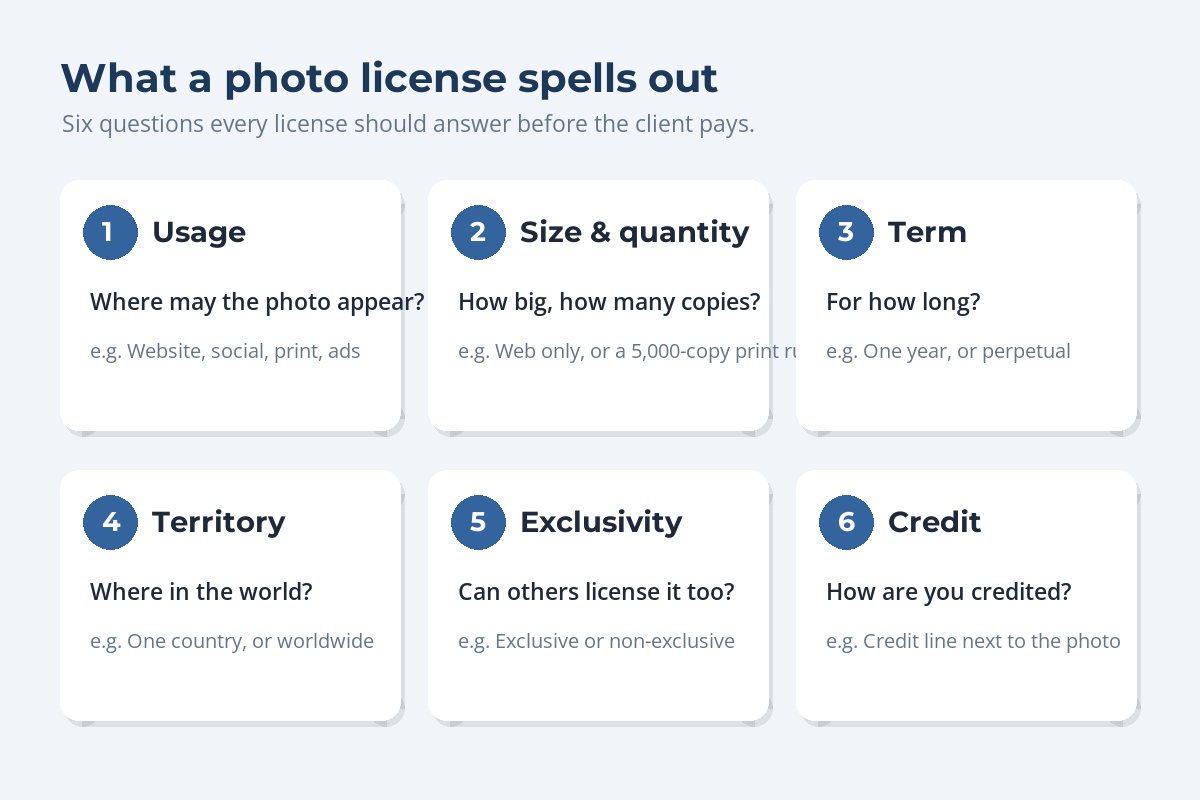
- Usage: where the photo may appear — a website, social media, printed brochures, packaging, advertising. Name them.
- Size and quantity: a web banner or a billboard; one magazine issue or a 5,000-copy print run.
- Term: how long the license lasts. One year and renewable is common for commercial use.
- Territory: one country, a region, or worldwide. For anything online, worldwide is often the realistic answer.
- Exclusivity: whether you may license the same photo to anyone else during the term.
- Credit: whether the client must credit you, and in what form.
Identify the exact image in the agreement — a thumbnail, a file name, or both. "The lake photo" is not enough when you have forty of them.
Exclusive and Non-Exclusive Licenses
A non-exclusive license lets the client use the photo while you remain free to license it to others. It is the default for stock and for most direct licensing.
An exclusive license promises that nobody else will be allowed to use the photo — for a period, in a territory, or in a category such as "competing coffee brands". Because you give up every other sale for that period, exclusive licenses should be priced much higher, and they should be limited: exclusive in one industry for two years is very different from exclusive everywhere forever.
In the United States, a transfer of copyright ownership — which includes an exclusive license — is not valid unless it is in writing and signed by the owner of the rights (17 U.S.C. § 204(a)). A non-exclusive license does not need a signed document and can even be implied by conduct, which is exactly why a written license protects both sides. Other countries have their own rules; this is general information, not legal advice.
Watermark the Preview Until the License Is Paid
Clients often need to see a photo in place before they commit — in a layout, on a page, in front of a manager. The file you send for that is called a comp (short for comprehensive). It should be good enough to judge and useless for anything else.
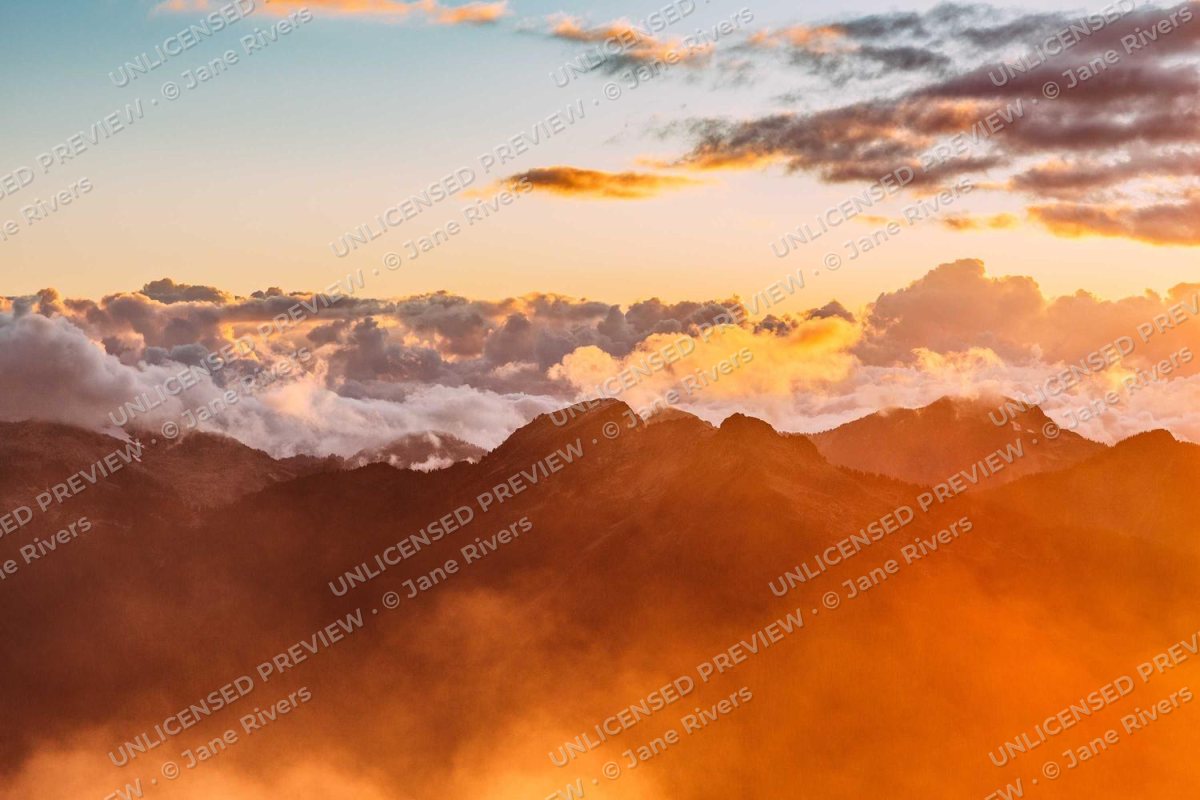

A faint tiled watermark is the right style for comps: it covers the whole frame, so no crop produces a clean copy, but it is light enough for the client to judge color and composition. Saying what the file is — "unlicensed preview" — matters as much as your name, because it tells anyone who comes across the file that it has not been paid for. The tiled watermarks guide covers spacing and opacity.
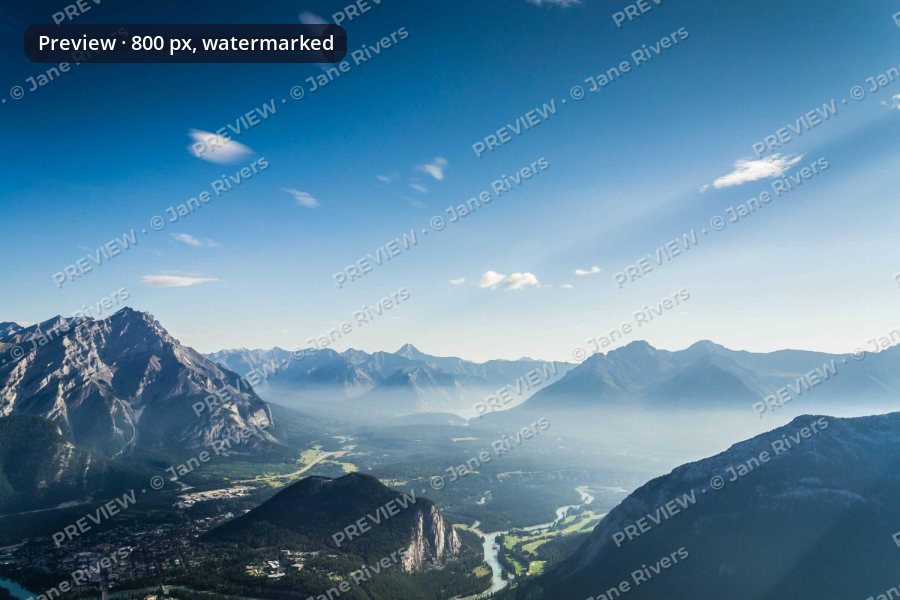
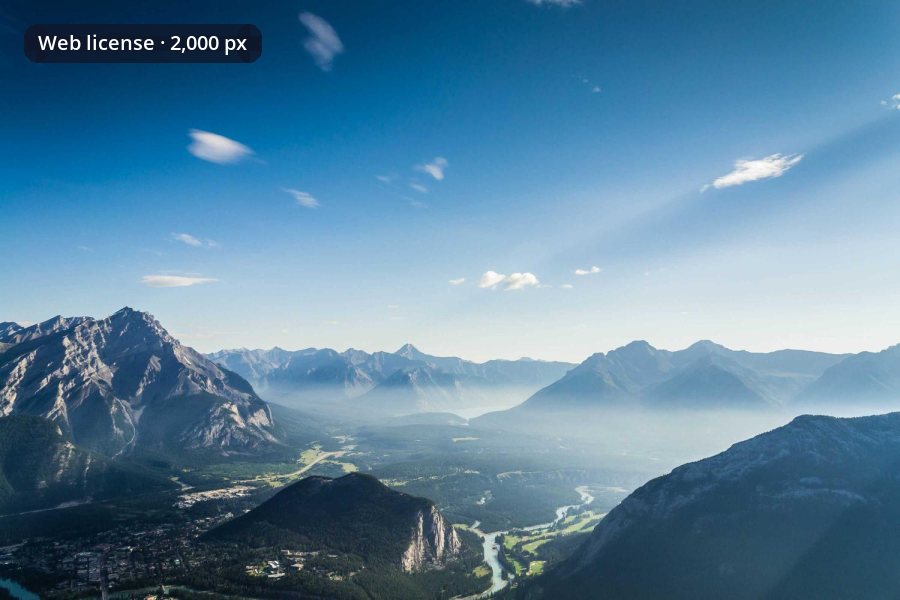
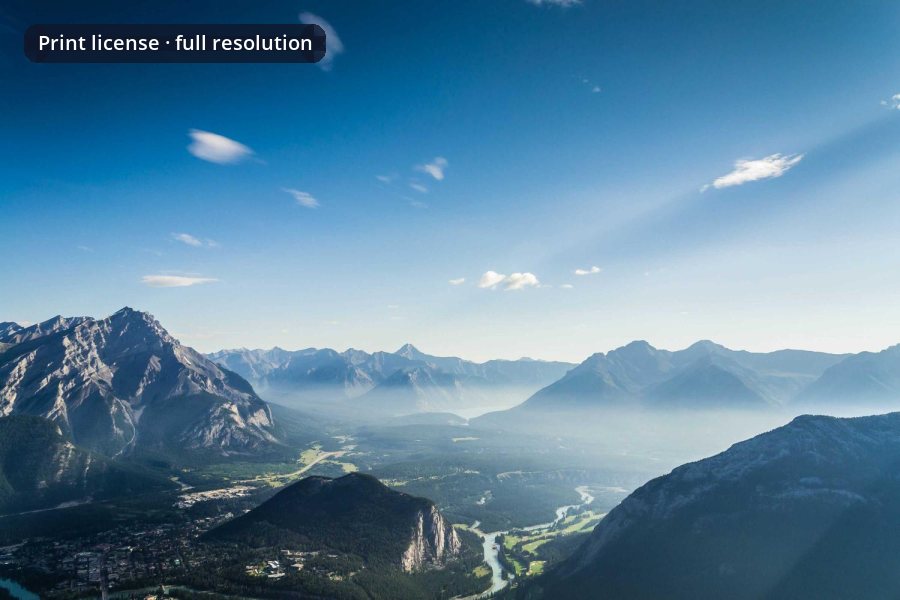
Size is the second layer. Deliver the file at the resolution the license covers, and no bigger:
What Drives the Price
There is no universal price list for licensing, and anyone quoting one without knowing the use is guessing. What you can do is price consistently, based on the same factors every time:
| Factor | Pushes the price up when… |
|---|---|
| Type of use | It sells something: advertising and packaging are worth more than editorial use. |
| Reach | More people will see it: a national campaign versus a local newsletter. |
| Size and placement | The photo is the hero: a cover or billboard versus a small inside image. |
| Term | The license runs longer. |
| Territory | It covers more countries. |
| Exclusivity | You cannot license the photo to anyone else. |
| Rarity | The image would be hard or expensive to reshoot. |
Write your pricing logic down once, even as a simple table for your own use. It makes quoting faster, and it makes it easy to explain why an exclusive, worldwide, two-year advertising license costs many times more than a one-off blog post.
A Simple Licensing Workflow
-
1
Ask how the photo will be used
Get the usage, size, term, territory and whether they need exclusivity before you quote. Most clients have not thought about it — the questions help them too.
-
2
Send a watermarked comp
A small, tiled-watermarked preview lets them test it in their layout without receiving a usable file.
-
3
Quote and put the license in writing
List the six terms, identify the image, and state the fee. For exclusive rights, get a signature.
-
4
Deliver after payment
Send the clean file at the resolution the license covers, and keep a copy of the license with the image.
-
5
Keep track of renewals
Note when term-limited licenses end. An expired license is a natural moment to offer a renewal.
In Watermark.ws you can make the comp in one pass: add a tiled text watermark such as "UNLICENSED PREVIEW · © Your Name", resize the image in pixels or by percentage, and save the setup as a template for the next request. Your original file is never changed, so the clean version is ready to deliver when the license is paid.
When a Photo Is Used Without a License
Sooner or later you will find one of your photos somewhere you never licensed it. A clear licensing practice makes that situation much simpler: you can show exactly what you license, for how much, and that this use was not covered.
For what to do next, see what to do when someone steals your photos and how to file a DMCA takedown. If you are considering letting people use your work for free under set conditions, Creative Commons licenses are the standard way to do it.
Sample photos: Mountain lake by Danny Froese, Mountain valley by Brandon Lam, Sunset over clouds by Nitish Meena on Unsplash.