On this page
Do You Need a Model Release? The Short Answer
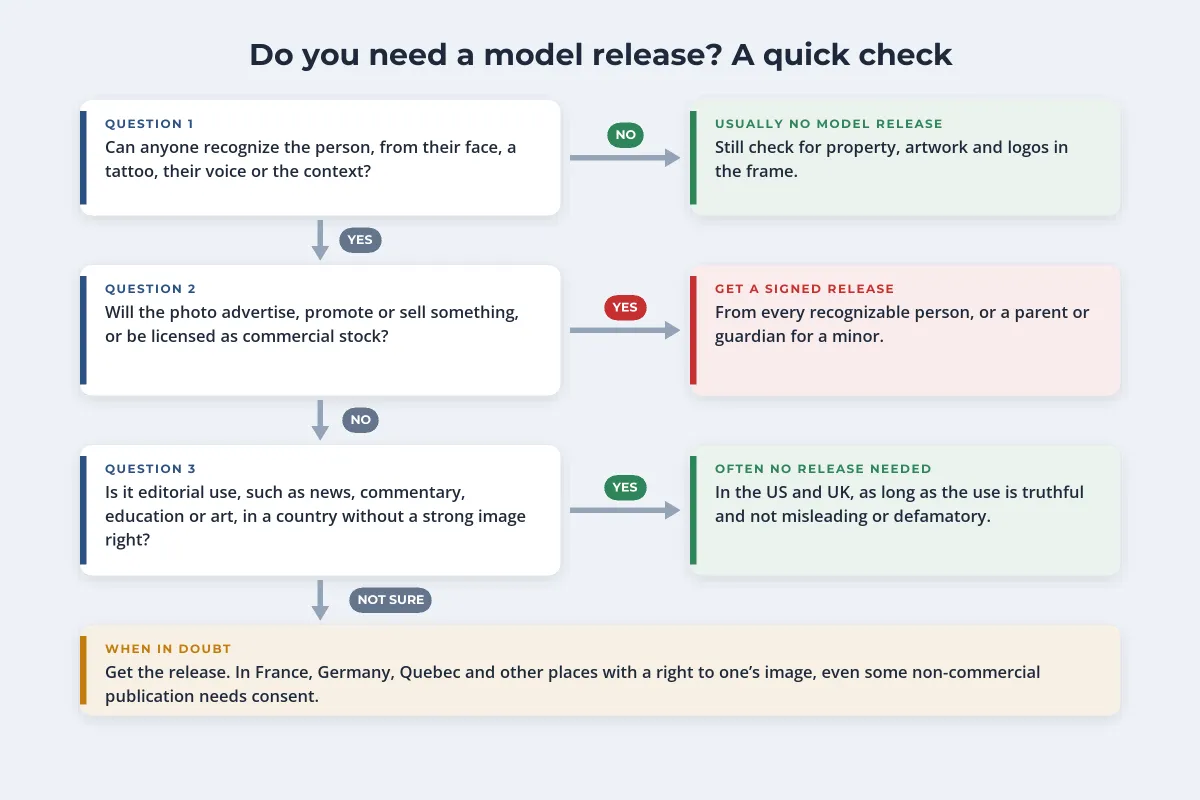
Do you need a model release? You need one when a recognizable person appears in a photo that will be used commercially: to advertise, promote, endorse or sell something, or licensed as commercial stock. For editorial uses, such as news, commentary, documentary work and education, you usually do not need one in the US or the UK. Some countries are stricter.
- Commercial use of a recognizable person: get a signed release.
- Editorial use: usually no release in the US and UK, as long as the use is truthful and does not mislead or defame.
- Minors: a parent or legal guardian signs.
- Private property, artworks and logos: can need a separate property release for commercial use.
- France, Germany, Quebec and others: people have a right to their image, so even some non-commercial publication needs consent.
What a Model Release Is, and What It Is Not
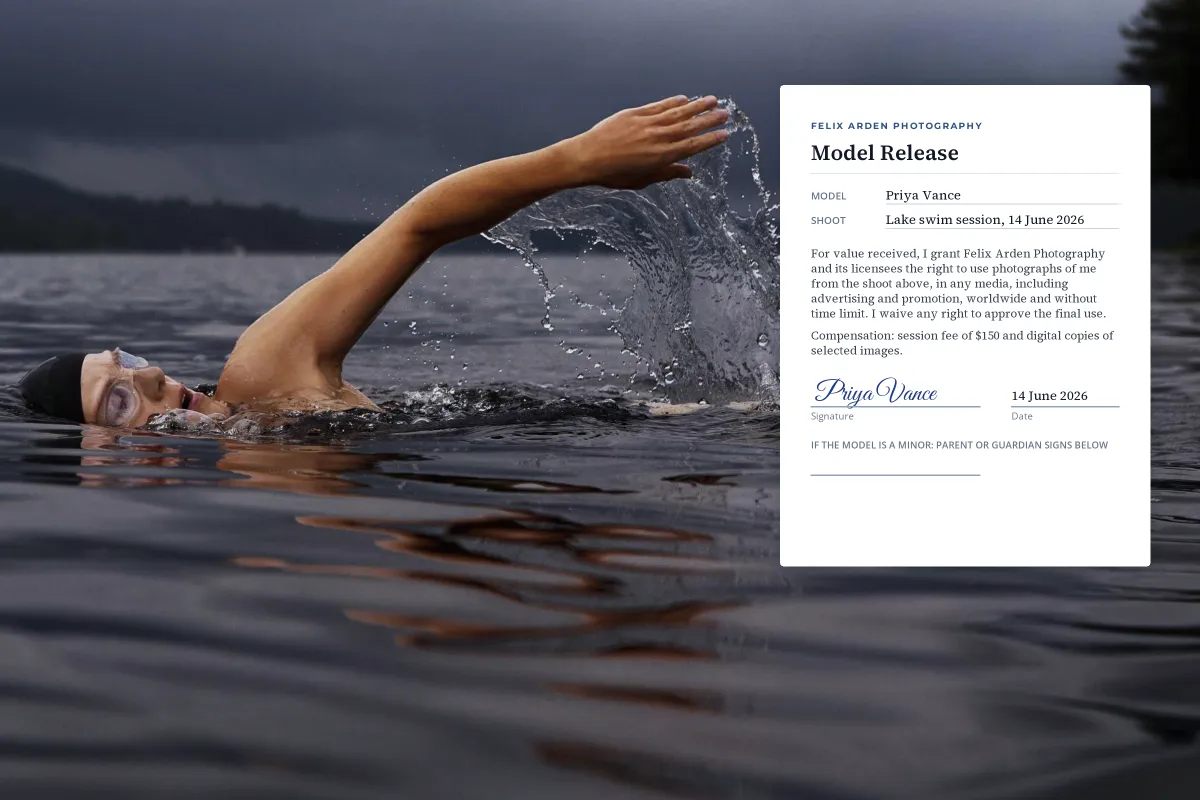
A model release is a written agreement in which a person gives permission for photos of them to be used in certain ways. It protects the photographer and anyone who licenses the photo against claims that a person’s likeness was used without consent.
It is not about copyright. The photographer owns the copyright whether or not there is a release; see who owns the photos. A release deals with a different set of rights that belong to the person in the picture: the right of publicity in the US, privacy and data protection rights, and in some countries a specific right to one’s own image.
Rules on image rights differ by country and, in the US, by state. For a campaign or a sensitive use, have a lawyer check the release and the use.
Commercial vs Editorial Use
The same photo can need a release in one place and not in another. What changes is the purpose of the use.
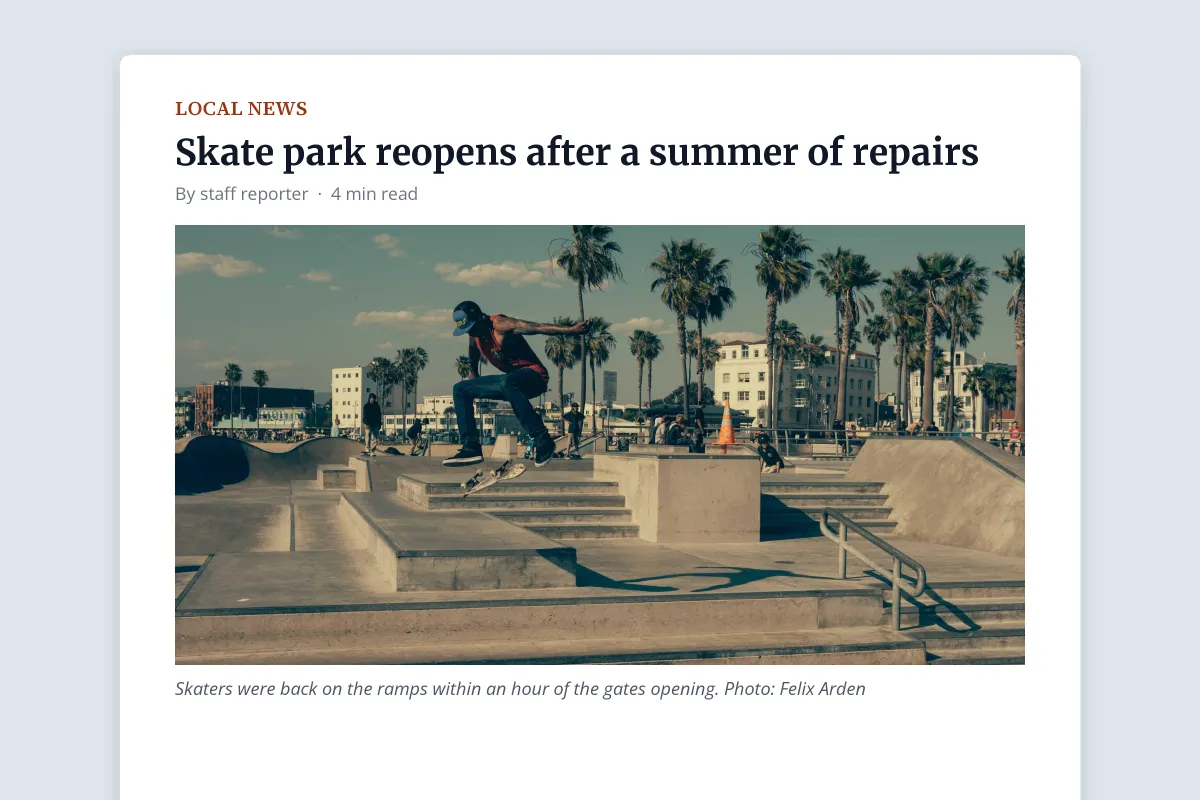 Editorial
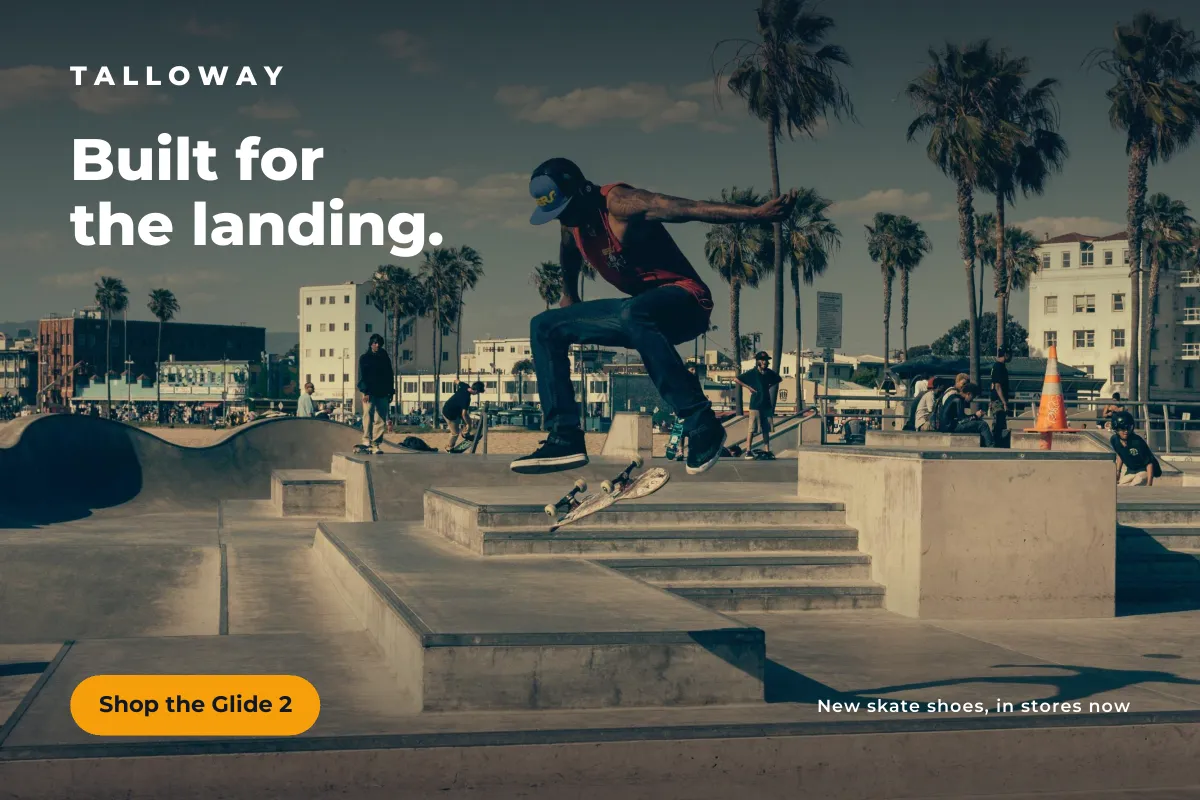 Commercial
- Commercial use means using the photo to sell or promote something: adverts, packaging, product pages, brochures, sponsored posts, and stock licensed for those purposes. Here the person can appear to endorse a product, which is exactly what publicity laws guard against. In New York, for example, using a living person’s name or likeness for advertising or trade requires their written consent (Civil Rights Law sections 50 and 51), and California has a similar statute (Civil Code section 3344).
- Editorial use means using the photo to inform or comment: news articles, documentaries, textbooks, blogs about an event, and in many places art and exhibitions. In the US and the UK, these generally need no release, because the use is about the subject, not selling with it.
Editorial does not mean anything goes. A caption that puts a person in a false light, a misleading context or a defamatory story can create liability whatever the use. Your own website can be either: a portfolio is usually treated like display of your work, but a photo on the page that sells your services is closer to advertising.
When Is a Person Recognizable?
A release only matters if someone could identify the person. That is broader than a visible face:
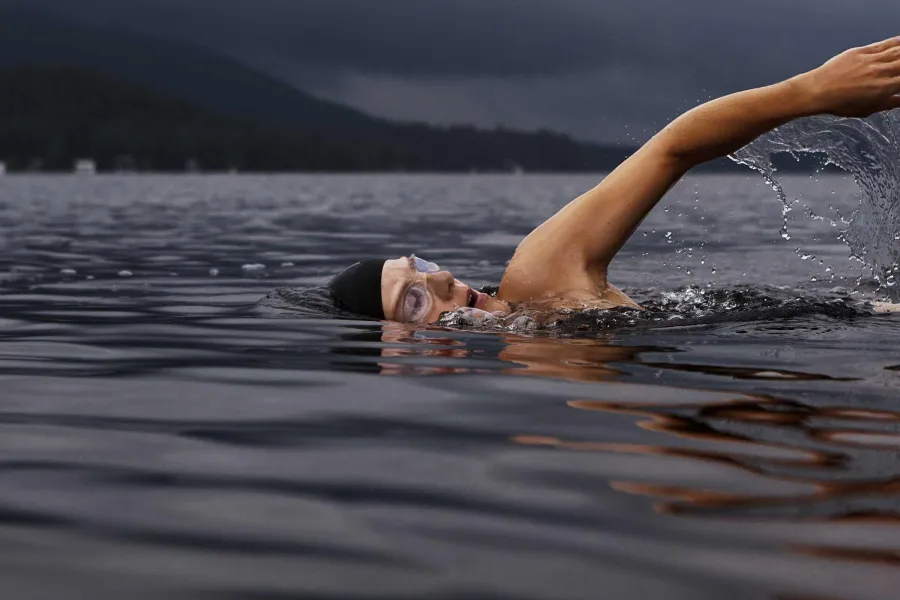
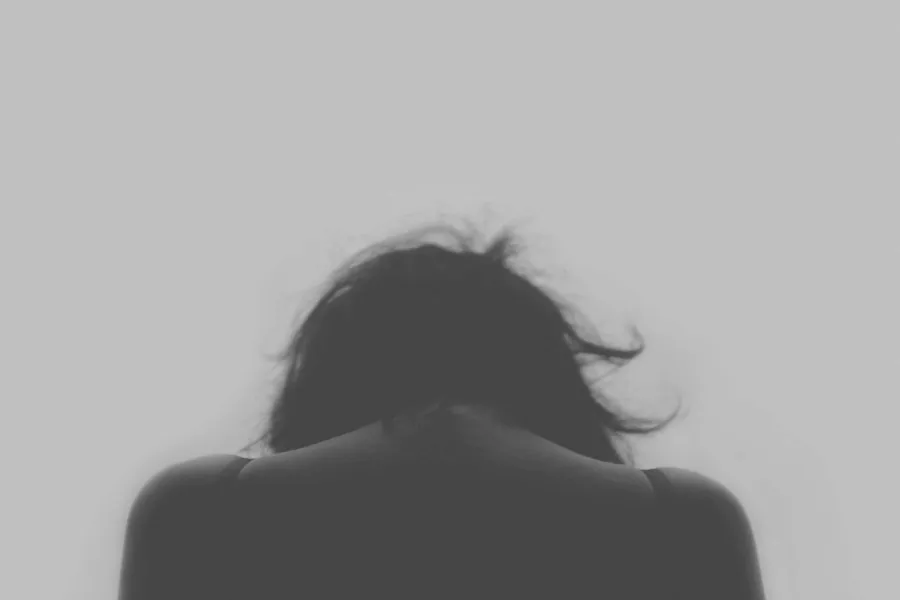
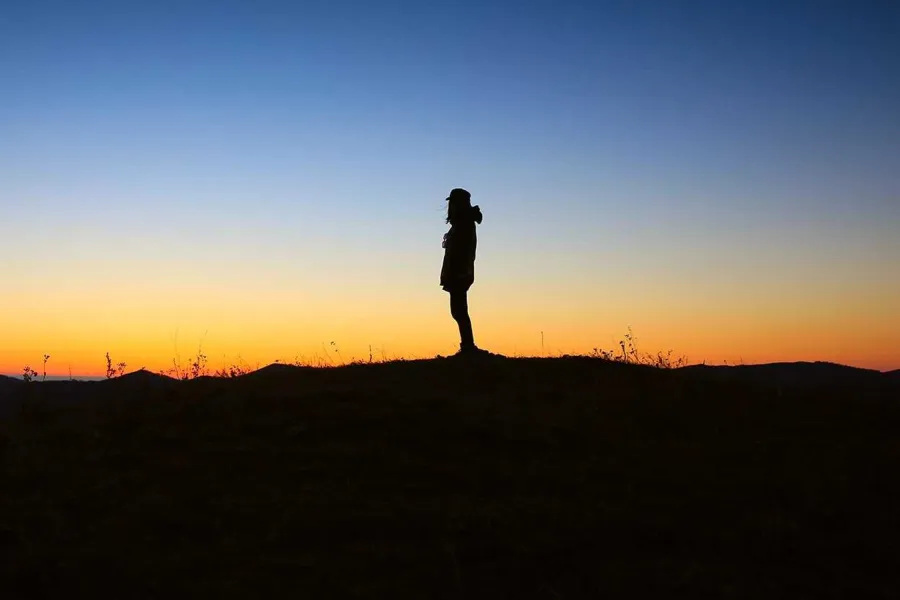
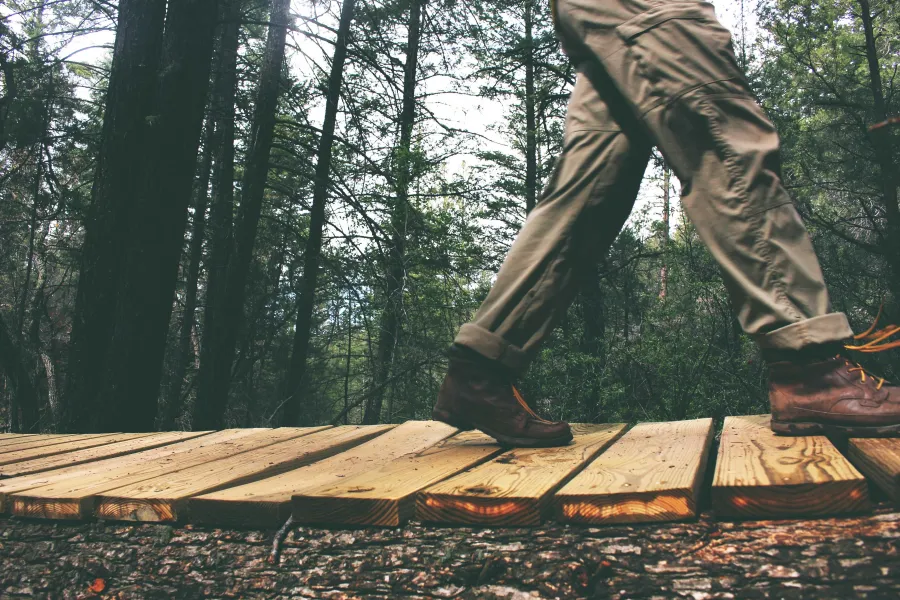
Distinctive tattoos, a famous voice, a well-known location or a caption with a name can all identify someone. Adobe Stock, for example, tells contributors that a release may be required even when a person’s face is not visible, and accepts back views and crowds without one only when nobody can be picked out. When in doubt, treat the person as recognizable.
What a Model Release Should Say
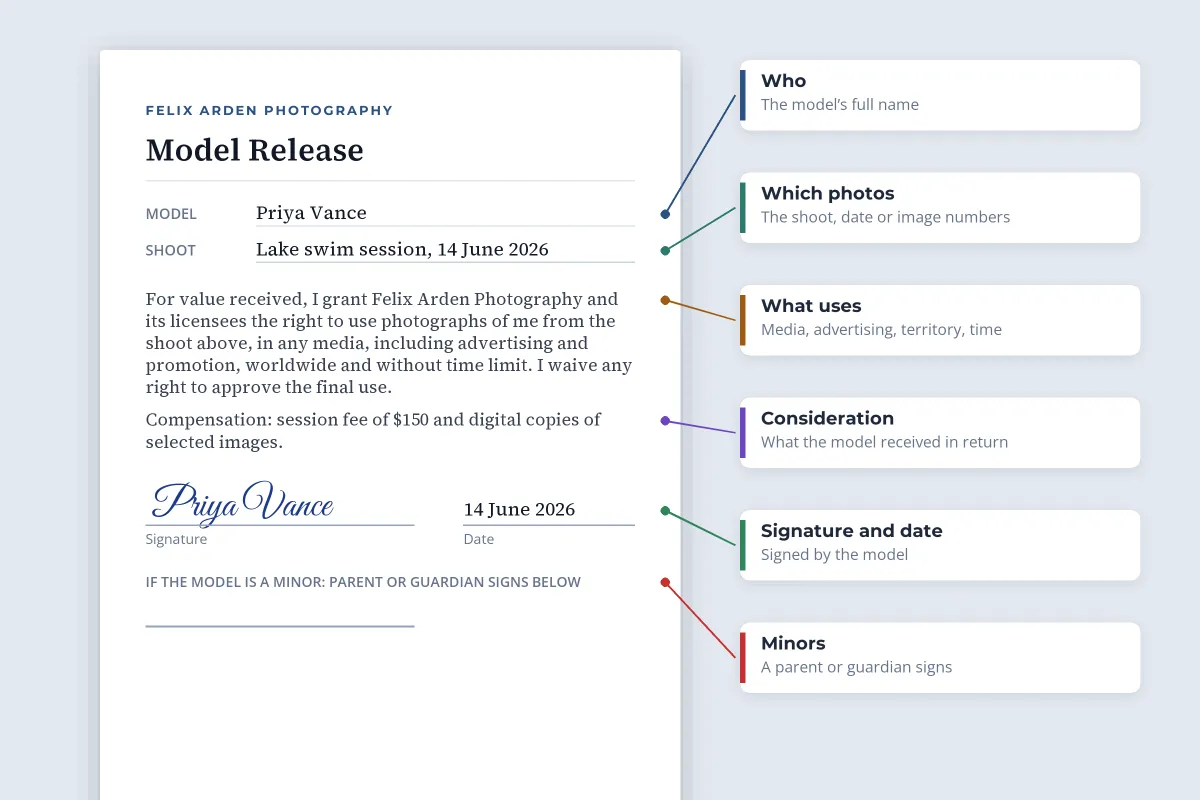
- Who: the model’s full name and contact details, and who receives the rights, including future licensees.
- Which photos: the shoot, the date or the image numbers.
- What uses: the media, whether advertising is included, the territory and the duration. Broad releases give the most flexibility; limited ones should say exactly what is allowed.
- Consideration: what the model receives, such as a fee, photos or a session. A contract usually needs something in return.
- Sensitive uses: many stock agencies restrict uses that could embarrass the model, such as health conditions or political causes, whatever the release says.
- Signature and date: signed by the model, ideally with a witness. Keep the original with the image files.
Stock agencies have their own requirements, and most require their own form or one with specific fields. Adobe Stock, for example, asks for a separate release for each person and does not accept group releases. For the rest of what agencies expect in a submission, see should you watermark stock photo submissions?
Releases for minors. A child cannot give binding consent, so a parent or legal guardian signs the release. The age of majority is 18 in most places, though a few US states set it higher. Some practical points:
- Get the guardian’s signature before you shoot any session meant for commercial use.
- Be conservative with editorial images of children too. Even where the law allows it, schools, sports clubs and parents expect to be asked.
- In the EU and UK, a photo of an identifiable child is personal data under the GDPR, which treats children’s data with extra care.
Property Releases: Buildings, Artworks and Logos
A property release is the equivalent for things rather than people: private property, artworks, and anything else someone else has rights in.
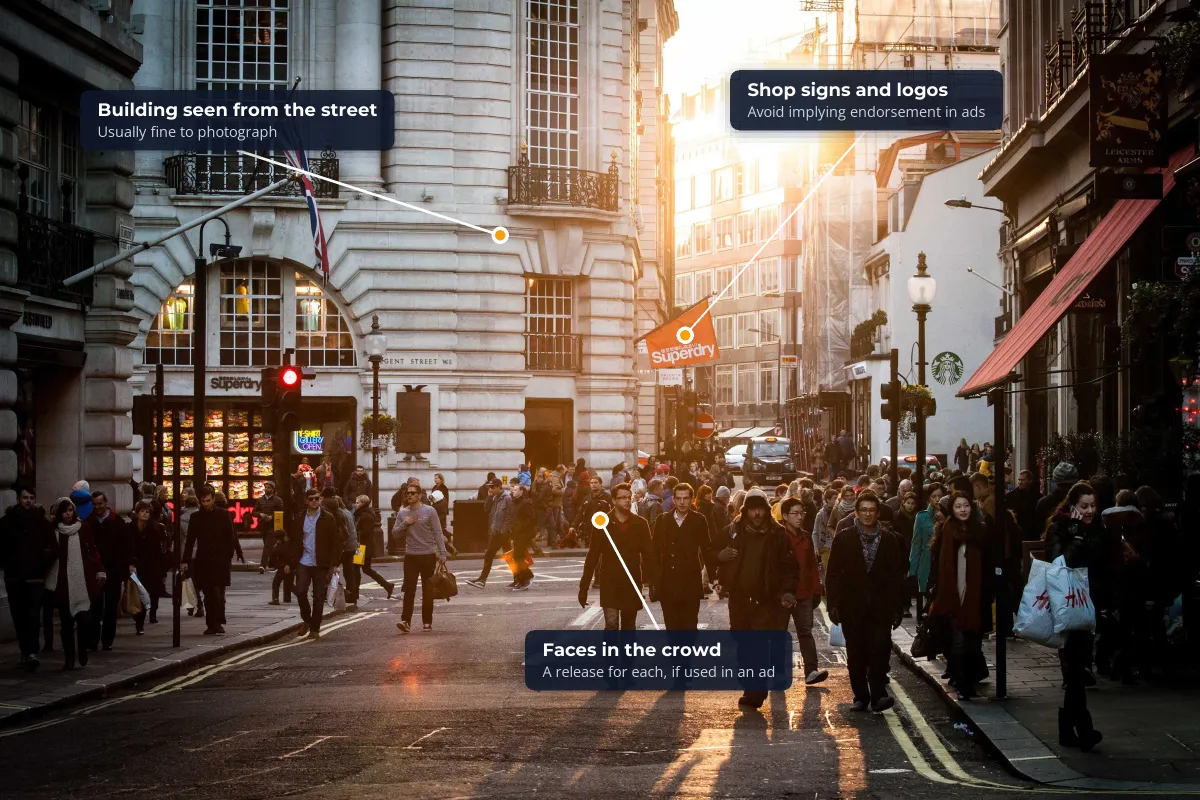
- Buildings seen from public places: in the US, photos of architecture visible from a public place do not infringe the architect’s copyright (17 U.S.C. § 120). Many countries have similar "freedom of panorama" rules, but some, such as France, are narrower for commercial use.
- Private interiors and homes: shooting inside usually needs the owner’s permission, and commercial stock agencies typically ask for a property release. See watermarking architecture and interior photos for working with property images.
- Artworks, sculptures and murals: they can be copyrighted works in their own right. A photo that features one prominently can need the artist’s permission.
- Logos and trademarks: fine in editorial photos, but in an advert they can suggest a connection with the brand. Stock agencies often reject commercial images with visible logos.
- Pets and animals: the law generally requires no release, though asking the owner’s permission for a commercial shoot avoids disputes.
How the Rules Vary by Country
| Place | Basis | What it means for photographers |
|---|---|---|
| United States | State right of publicity laws | Commercial use of a likeness needs consent; editorial and newsworthy use generally does not. |
| United Kingdom | No general image right; privacy, data protection, passing off | Ads that suggest a false endorsement can be challenged, and the advertising code asks for written permission before portraying members of the public. |
| France | Right to one’s image, from the right to privacy (Civil Code article 9) | Consent is generally needed to publish an identifiable image, with exceptions for news, public events and public figures in their public role. |
| Germany | Art Copyright Act (KUG), sections 22 and 23 | Publishing a portrait needs consent, except for contemporary events, people as incidental parts of a scene, gatherings, and some art. |
| Quebec, Canada | Civil Code privacy rights | The Supreme Court of Canada held in Aubry v. Éditions Vice-Versa (1998) that publishing a recognizable photo of a person in a public place without consent can breach their rights. |
Across the EU and UK, data protection adds another layer: an identifiable person in a photo is personal data, so publishing needs a lawful basis. If you work internationally or license stock worldwide, a release is the safest default for any recognizable person.
Model Releases in Practice
- Get releases signed before or at the shoot, not afterwards.
- Keep each release with the image files and note it in the metadata.
- Use a separate release for each person.
- Read the stock agency’s release requirements before you shoot.
- Send watermarked previews when a model wants to approve images first.
- Use an editorial photo of a stranger in an advert.
- Assume a client’s shoot fee covers model rights for other uses.
- Rely on a verbal "sure, go ahead" for commercial work.
- Edit a photo in a way that changes what the person appears to endorse or say.
- Forget property releases for interiors, art and private locations.
Releases also shape what you can license. A photo with a full release can be sold for commercial use; one without is limited to editorial licensing. How to license your photos explains how that affects pricing, and royalty-free vs rights-managed how editorial and commercial licenses work in stock. For checking other people’s images before you use them, see can I use images from Google.
Watermark.ws can put a PREVIEW or name watermark across a whole set of images, which is useful when a model, a client or an agency needs to review photos before releases and licenses are settled.
Sample photos: Swimmer by Todd Quackenbush, Skateboarder by Victor Erixon, Woman from behind by Volkan Olmez, Silhouette at sunset by lee Scott, Hiker on a boardwalk by Lacey Raper, City street by David Marcu on Unsplash.