On this page
The Short Answer
There is no rule. Plenty of successful photographers and artists show their portfolios completely clean, and plenty put a small credit on every image. What they have in common is that they decided on purpose, based on who looks at their work and what happens to it afterwards.
- Commercial and editorial portfolios shown to clients and art directors: usually clean, or a very small credit.
- Work that is shared widely online — landscapes, travel, wildlife, art: a small, consistent credit, so reposts lead back to you.
- Images that are themselves the product — prints, stock, digital art for sale: protect the preview, not just credit it.
- Almost nobody: large watermarks across the middle of every portfolio image.
Once you have decided, preparing photos for your portfolio website covers the practical side: upload sizes, lightboxes and credits.
What a Portfolio Is For
A portfolio is a sales tool. The people who matter most — a client choosing a photographer, an art director, a gallery, a publisher — are there to judge your work, often quickly and alongside other portfolios. Anything that stands between them and the image works against you.
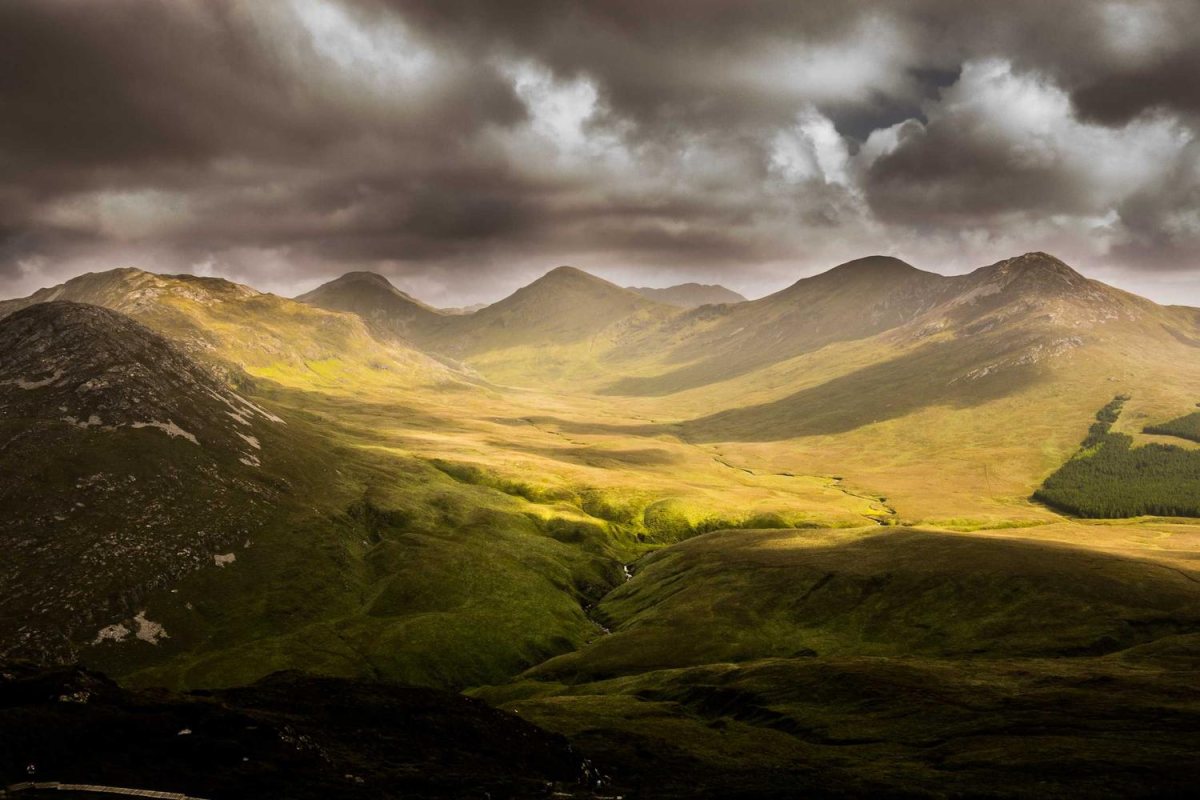

With the large watermark, the first thing anyone reads is the name, not the light on the hills. Some viewers also take heavy watermarks as a sign of an amateur, or of someone more worried about theft than confident in their work. Fair or not, it is a real cost — and it is the reason most professional portfolios keep watermarks small or leave them off.
The Arguments on Both Sides
| For watermarking | Against watermarking |
|---|---|
| Reposts and screenshots still carry your name. | It distracts from the work you are trying to sell. |
| Casual copying is less tempting when the credit is right there. | A small corner credit is easy to crop, so it protects little. |
| It makes it easy to show that a copy came from you. | Heavy watermarks can look amateur to clients and galleries. |
| It turns shared images into free advertising. | Your site, file sizes and contracts can do much of the protecting instead. |
Notice that the strongest argument for watermarking is not about stopping theft. For most portfolios, the realistic risk is not someone reselling your photo — it is your photo being shared, reposted and admired without anyone knowing who made it.
The Real Risk: Reposts Without Credit
Portfolio images get reposted by aggregator accounts, pinned, used as backgrounds and shared in group chats. Most of the people doing it are not trying to profit — they simply do not think about where the image came from. Whether that repost helps or hurts you depends on one thing: whether your name is on it.
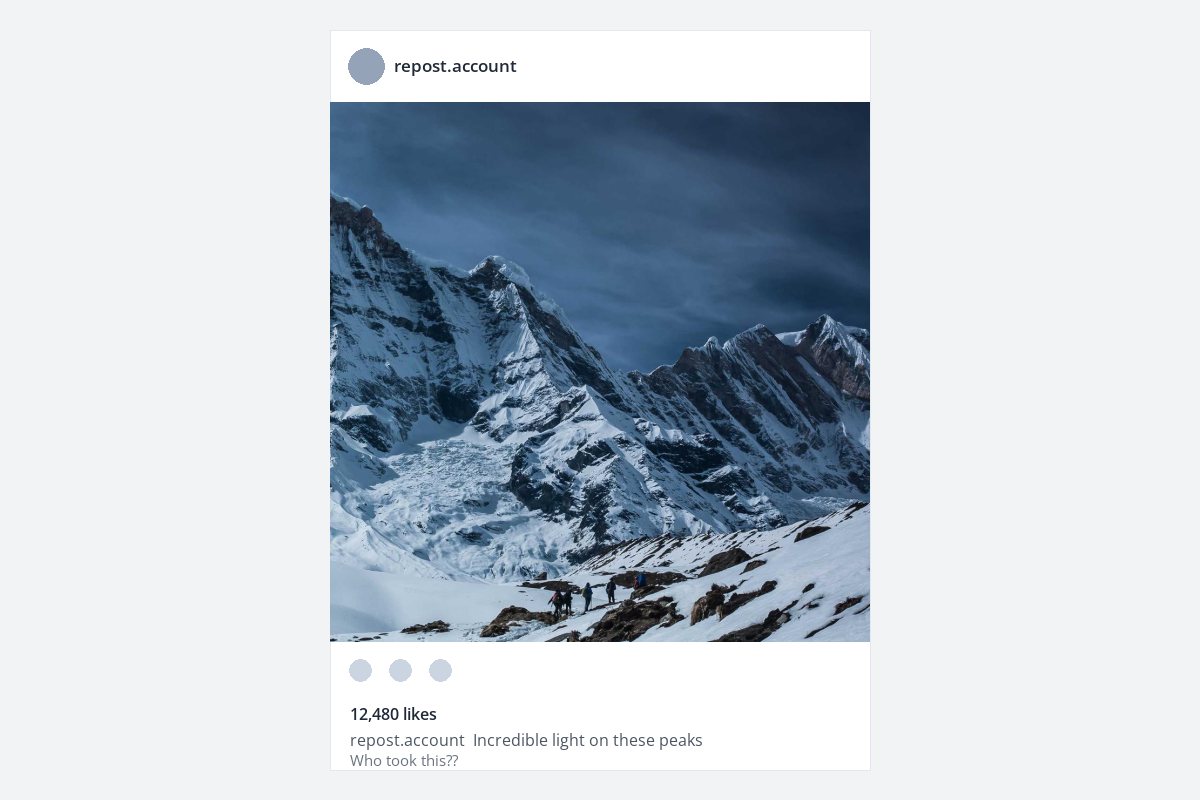
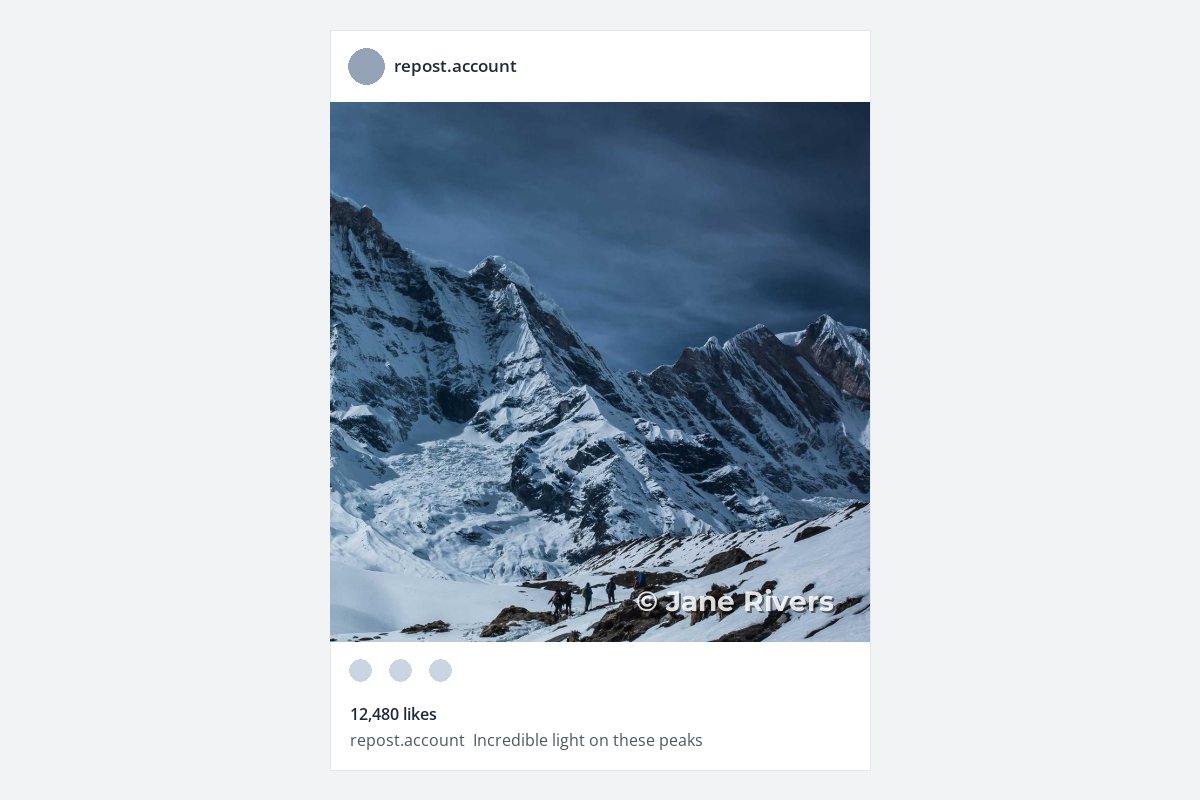
The clean repost earns likes for someone else’s account, and the one person who asks “who took this?” may never get an answer. The credited repost sends curious viewers straight to you. That is why, for widely shared kinds of work, a small credit is often worth its small visual cost.
A reverse image search shows where your photos appear online. See how to find stolen photos, and what to do when someone uses them without permission.
Four Options, From None to Tiled
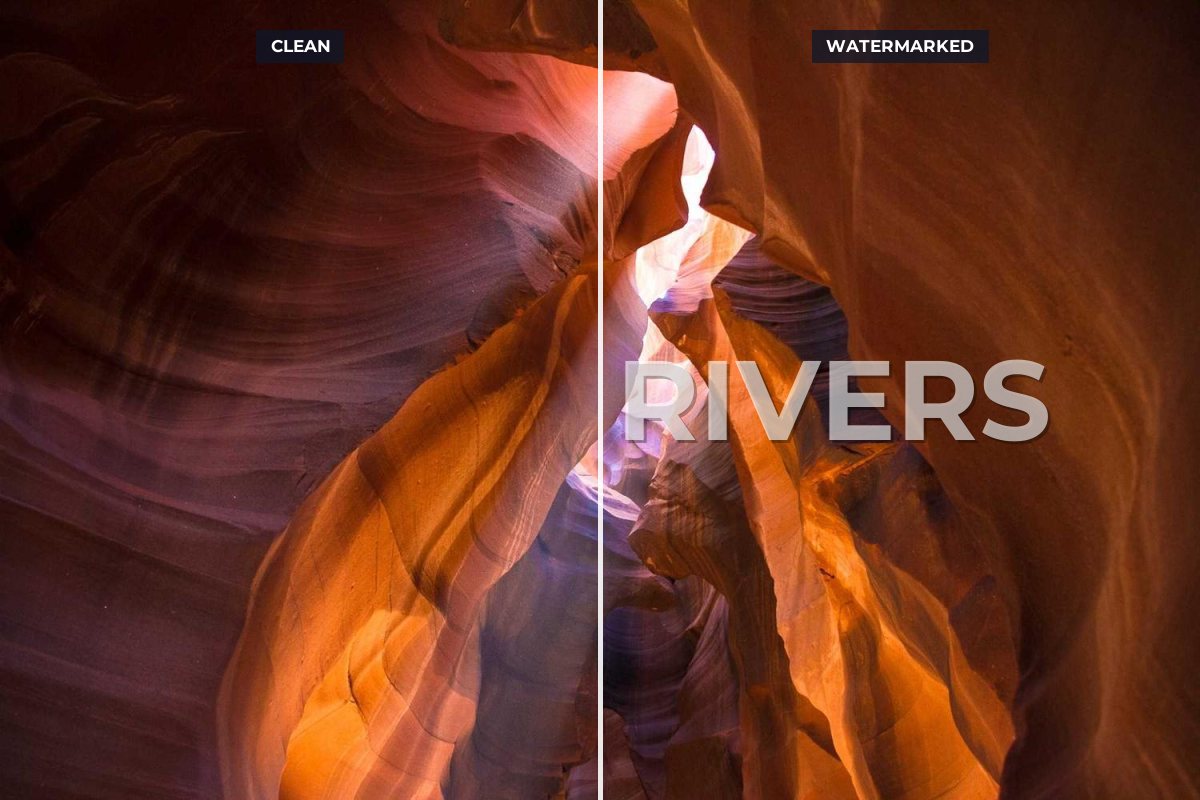
It is not a yes-or-no choice. Here are four common approaches on the same photo, rated for how much they protect it and how little they get in the way.
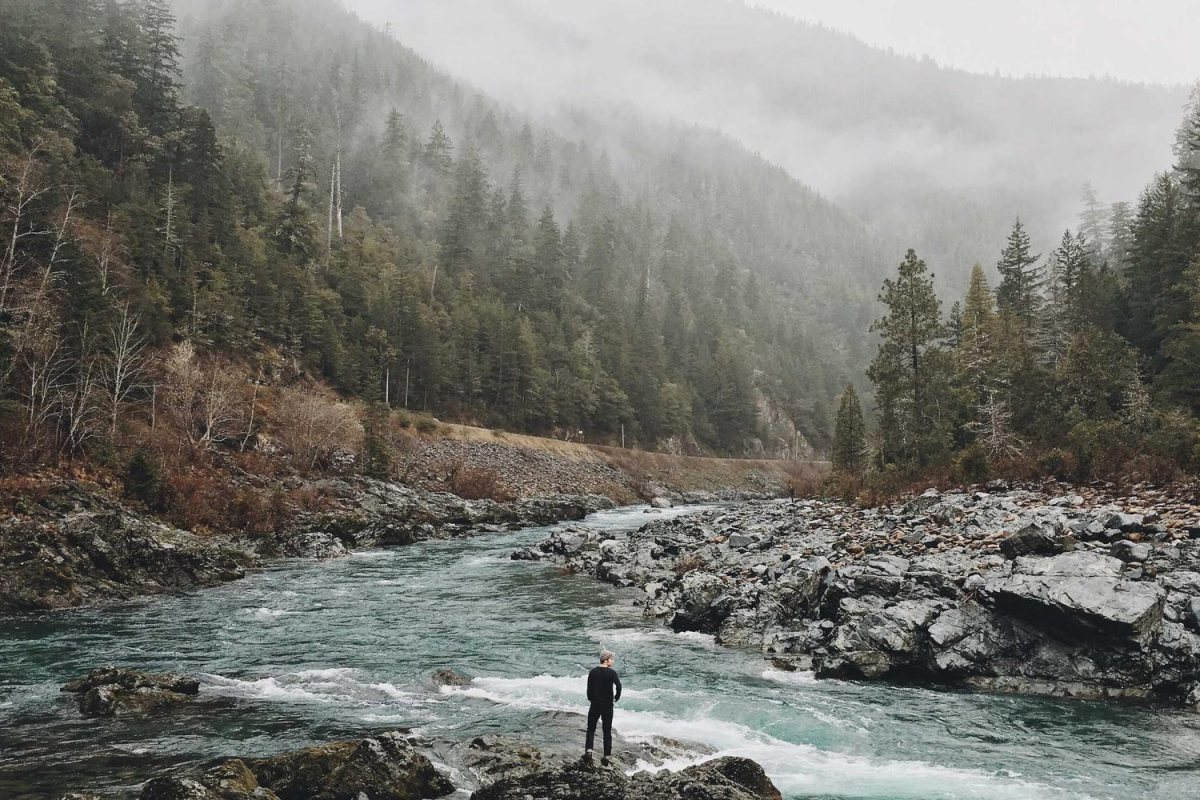
Best for: Commercial portfolios shown directly to clients, where your site and file sizes do the protecting.
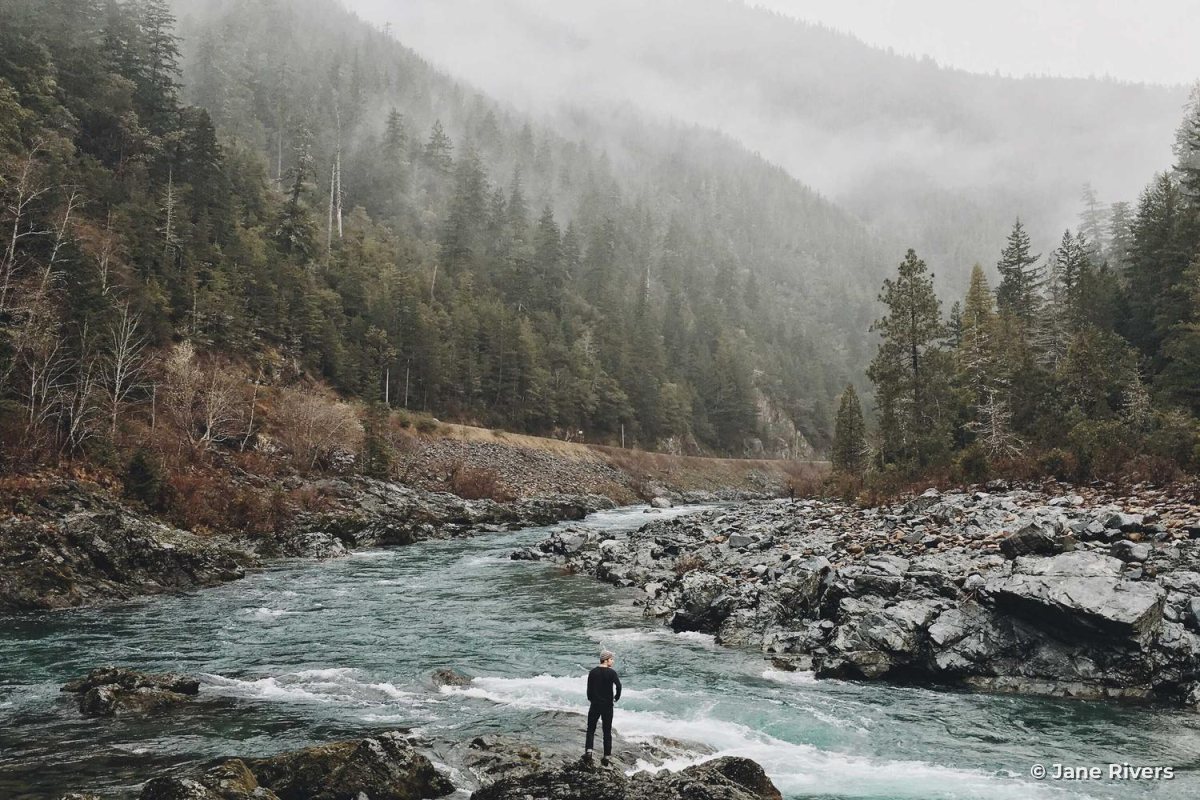
Best for: Most portfolios: credit on reposts at almost no visual cost.

Best for: Fine art and personal work, where a signature feels like part of the piece.
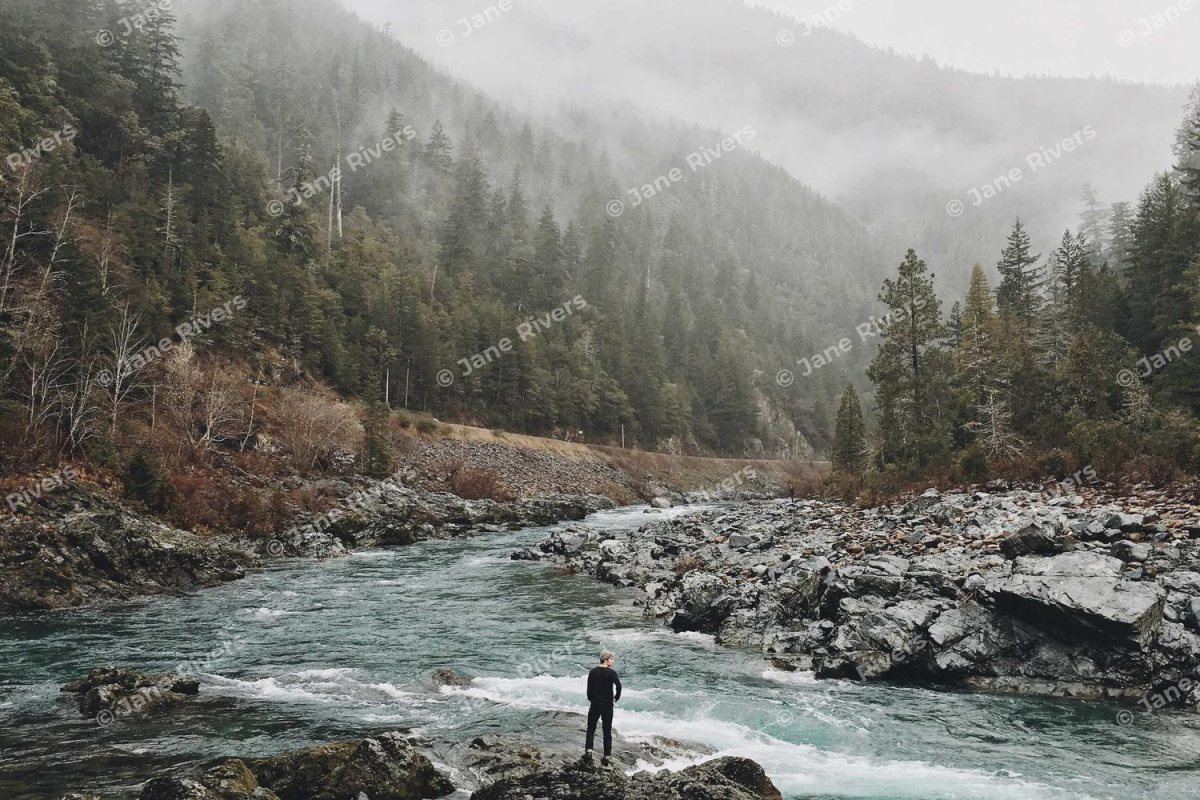
Best for: Images that are the product — prints, stock and digital art for sale.
A signature placed near the subject sits in the middle ground: it is harder to crop than a corner credit and reads as part of the work. See signature watermarks for how to make one that looks natural.
By Kind of Work
| Your work | Usual choice | Why |
|---|---|---|
| Commercial and advertising | Clean or tiny credit | Art directors want the work unobstructed; the images are rarely reposted. |
| Weddings and portraits | Small credit or clean | Couples share photos widely, and a credit brings referrals. |
| Landscape and travel | Small credit | Among the most reposted images online. |
| Wildlife and nature | Small credit or signature | Widely shared and often used without permission by aggregator accounts. |
| Illustration and digital art | Signature or small credit | Art is reposted constantly; a signature is part of the tradition. |
| Fine art prints for sale | Protected previews | The image is the product, so protect the preview with a tiled mark. |
| Architecture and interiors | Clean or tiny credit | Clients and publications usually credit in text. |
Questions That Settle It
- Who looks at your portfolio most? If it is mainly clients choosing whom to hire, lean clean. If it is the public, lean towards a credit.
- Where does your work end up? If your images already circulate on social media without your name, a credit is worth it.
- Is the image the product? If you sell the image itself, protect the preview properly.
- Can your credit be small and consistent? If the only watermark you are happy with is large, reconsider the alternative protections instead.
- What does your field expect? Look at the portfolios of the people who get the work you want.
Common Worries, Answered
“Anyone can crop a corner credit, so why bother?” Because most reposts are not deliberate. The people who crop a credit off were going to take the photo anyway; the far larger group who simply share what they like will pass your name along with it. A credit is about those people, not the determined few. If a particular image needs real protection, give that image a stronger watermark rather than every image in the portfolio.
“Will clients think I do not trust them?” Not if the credit is small. Clients see small credits on work all the time — in magazines, on book covers and on social media. It is the large watermark across the middle that sends a message about trust.
“My images are already online without a watermark. Is it too late?” For those copies, yes — images that have already been saved and shared stay as they are. But new work, and any images you replace on your own site, can carry a credit from now on. Many photographers start with their most popular images, because those are the ones most likely to be shared again.
“Will a watermark hurt how my images show up in search?” That is a separate question with its own answer. See do watermarks hurt SEO?
Whichever You Choose
If you watermark, keep it small, consistent and in the same place on every image, and prepare one template so every new project looks the same. How big should a watermark be? and how transparent should it be? cover the details.
If you do not, protect your work in other ways: upload web-sized files rather than originals, add your copyright details to the file metadata (see copyright in photo metadata), and check now and then where your images turn up.
In most countries you own the copyright in your photos from the moment you take them, watermark or not. A watermark makes that ownership visible; it does not create it. See copyright laws by country.
Sample photos: Slot canyon by Sebastian Boguszewicz, Green valley by Sylvain Guiheneuc, River valley by Steve Carter, Snowy peaks by Lee Roylland on Unsplash.